
This experience is designed for new sellers from China, Hong Kong, and the United States looking to operate on Mercado Libre. The journey begins on the Global Selling landing page, where key logistics and financial benefits are presented, including profit margins, operational costs, and commercial reach across Latin America.
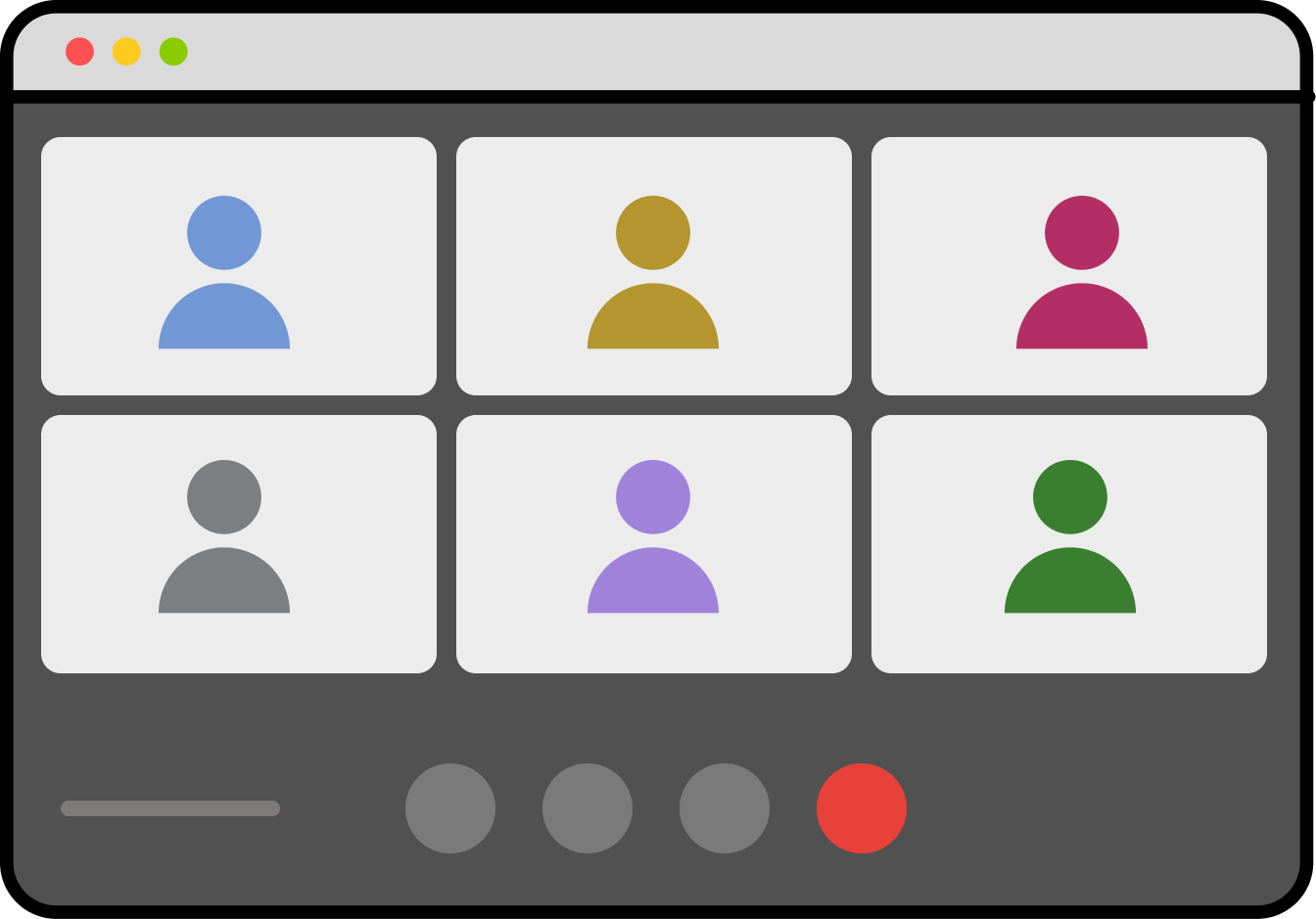
Interested sellers then proceed to an interview with Mercado Libre’s business representatives. During this phase, a detailed analysis is conducted to evaluate their eligibility based on reputation, sales history, product catalog, and other key operational requirements.
Client: Mercado Libre - Cross Border Trade
Service: Product Design
Year: 2022

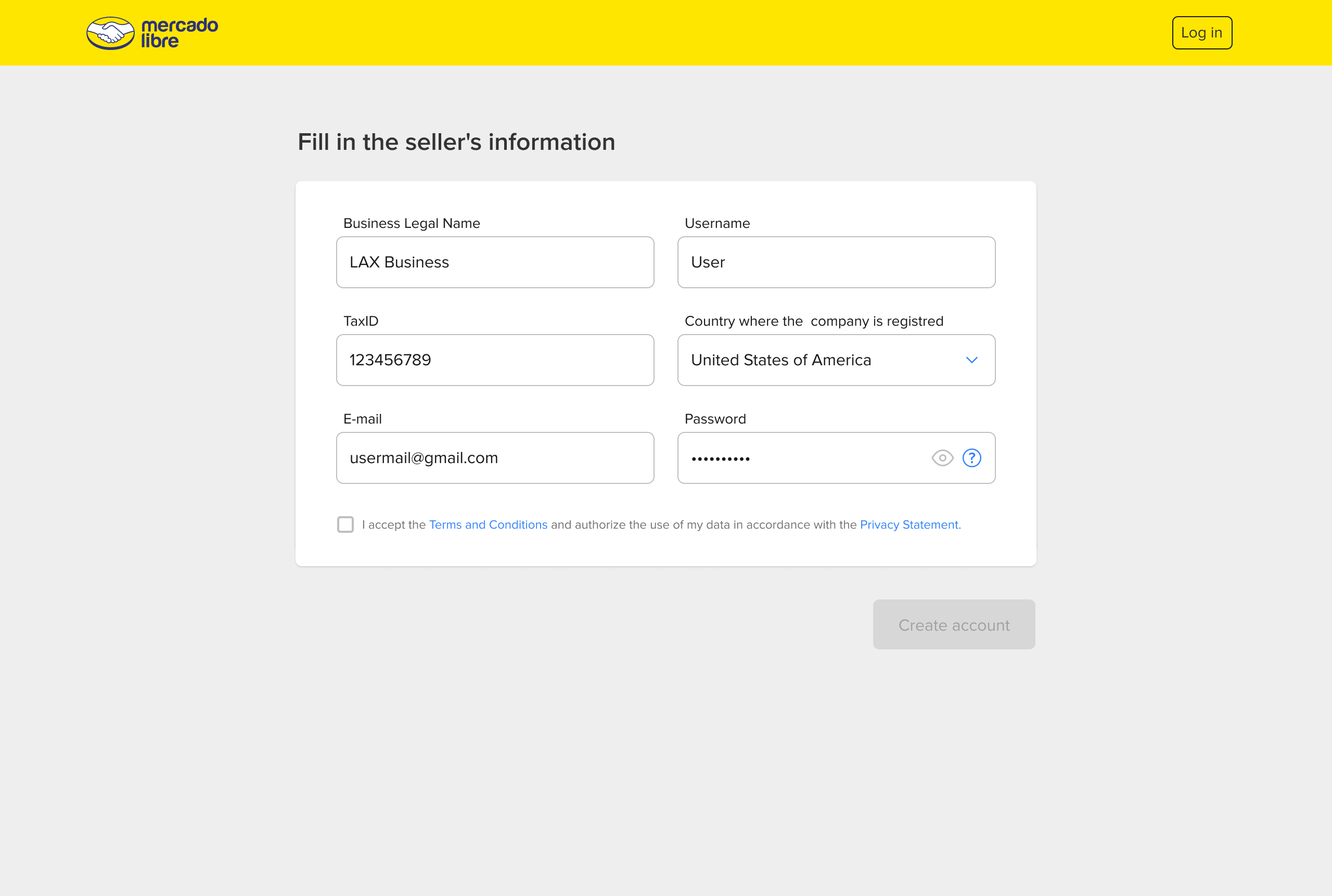
Lack of clarity regarding available logistics options and the specific benefits each one offered to Sellers.
The production experience was complex; there was no clean regarding the information requested for registration.
It lacked an onboarding process to guide users during their first interaction and facilitate navigation.


We performed a deep dive into the production environment to align involved workflows with our project goals. This allowed us to evaluate cross-functional impacts and pinpoint areas where user friction might occur.
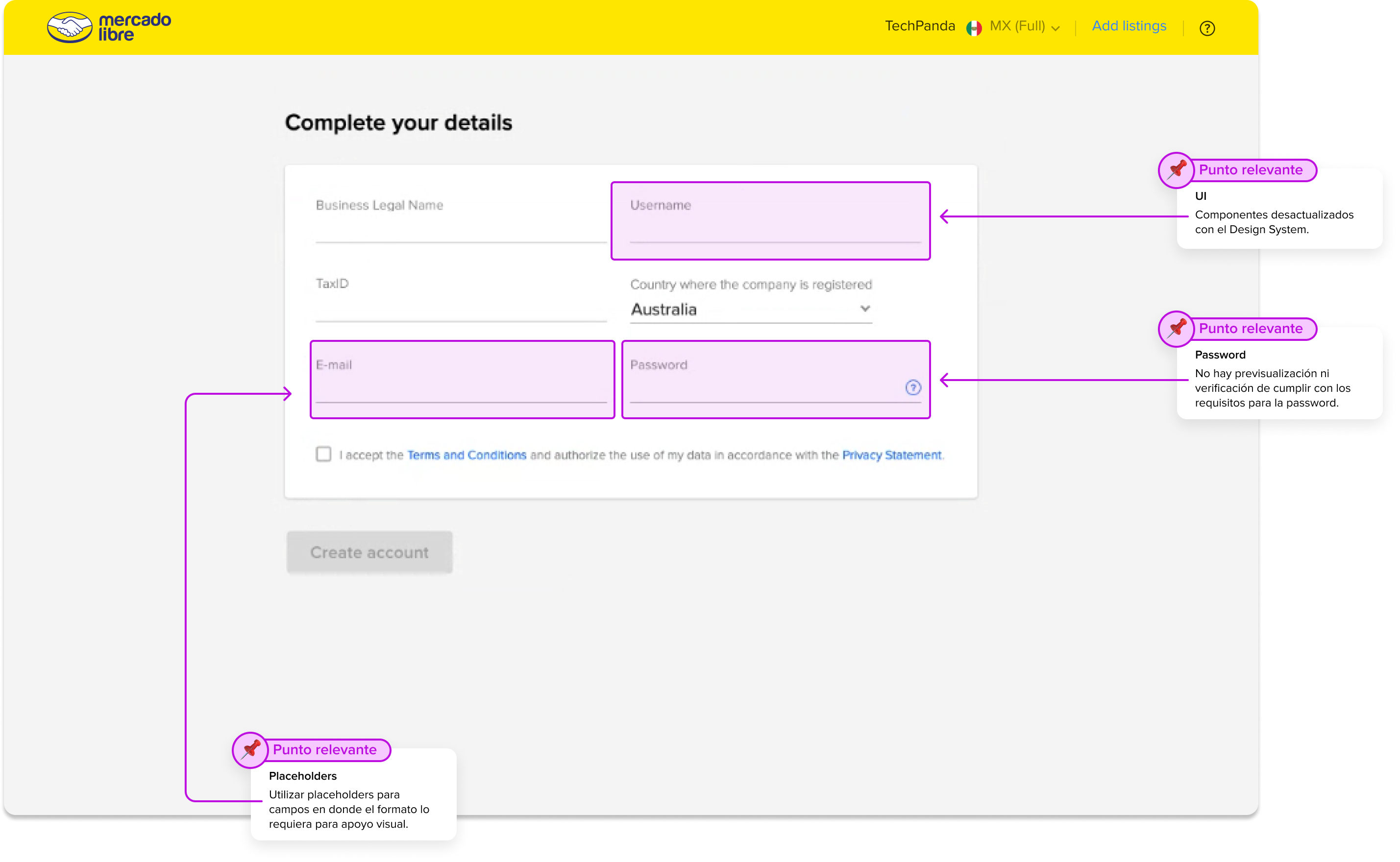
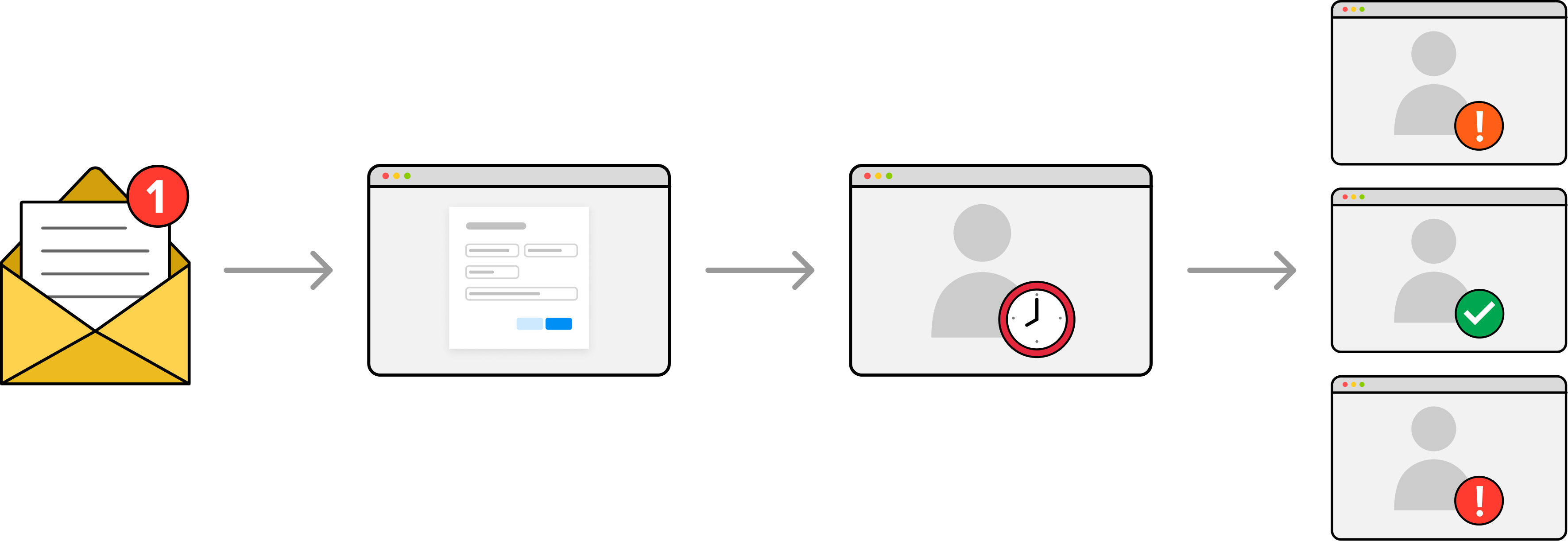
Based on the initial analysis, I developed low-fidelity wireframes to review with the Product and Engineering teams. These collaborative sessions allowed us to align on necessary corrections and integrate improvements early in the process.

Once the core flow was defined, I presented a preliminary version to the UX Design team. These sessions focused on gathering constructive feedback and providing visibility into our updates to ensure consistency and avoid overlapping with other live experiences across the ecosystem.
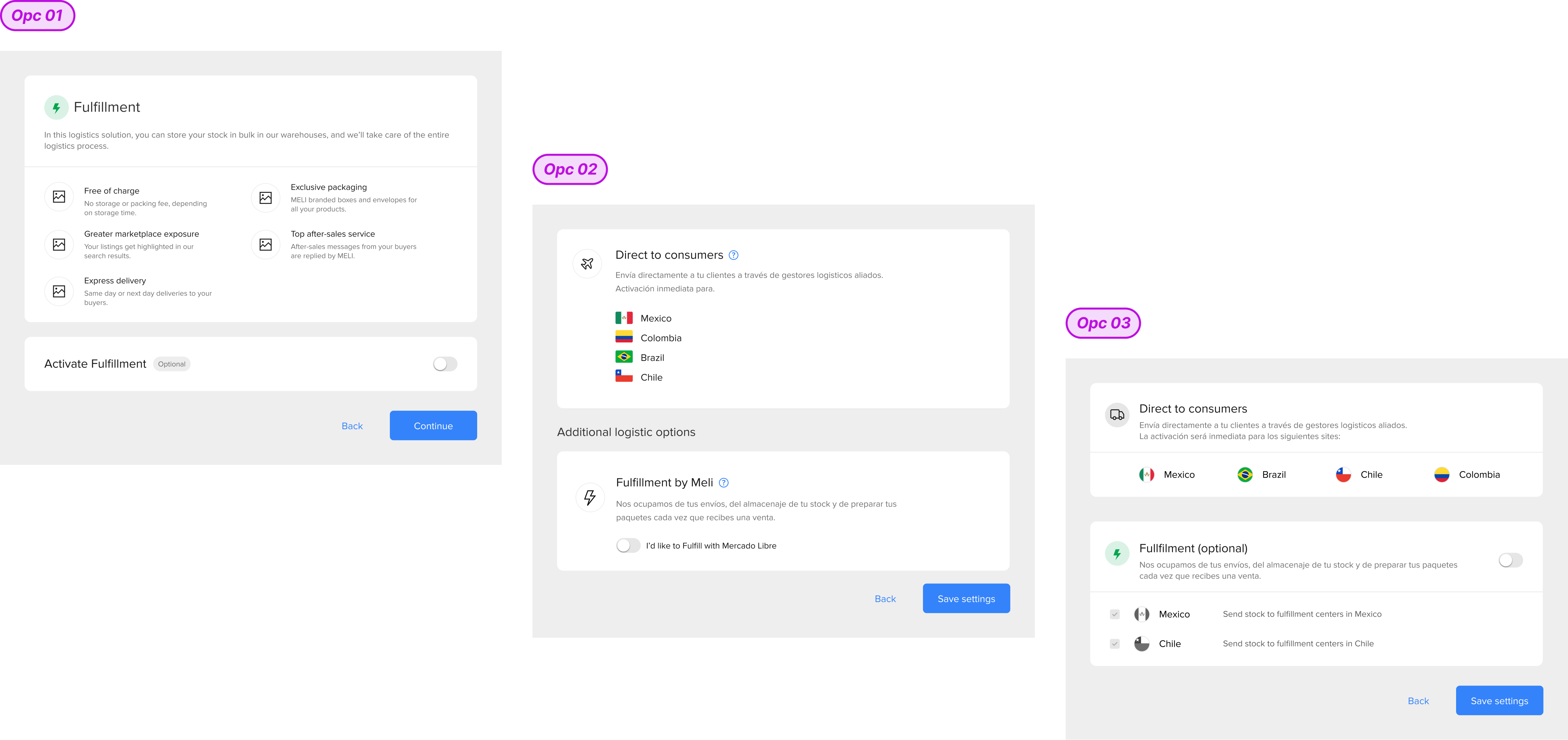
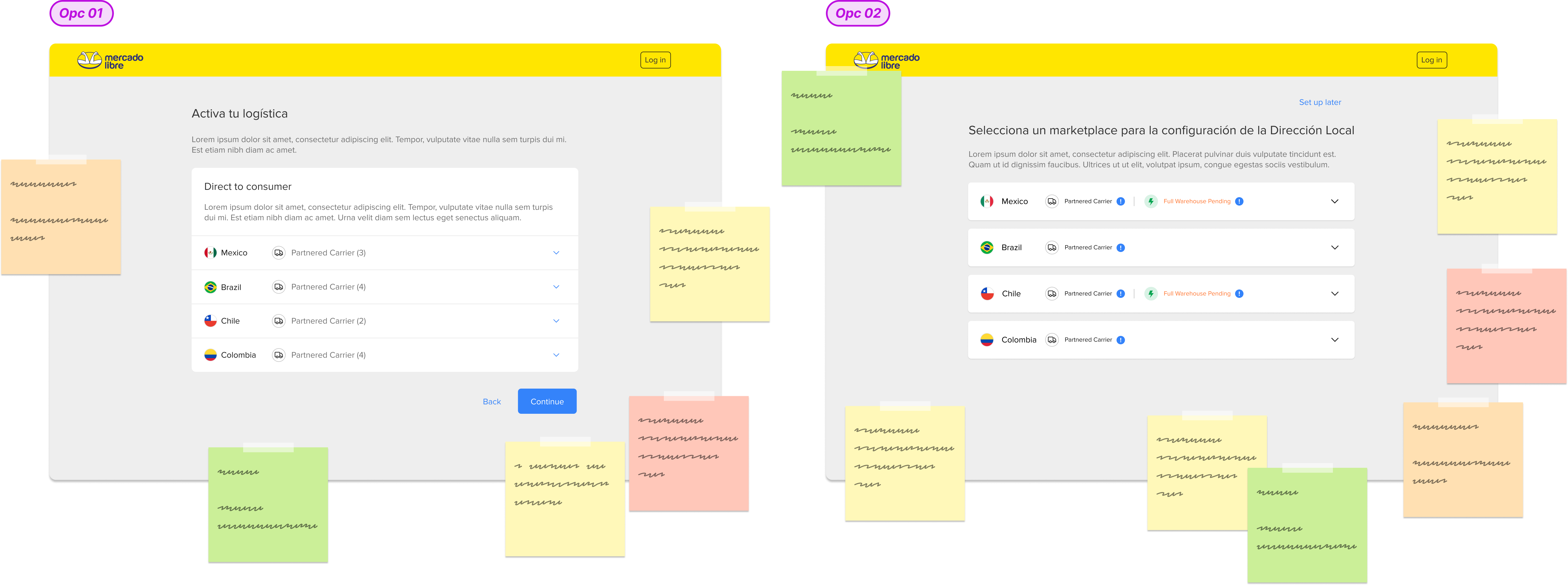

Following triad approval, I completed the formal handoff and maintained close collaboration with developers. This ongoing support was key to verifying design integrity and ensuring that even complex edge cases were fully addressed during the build.
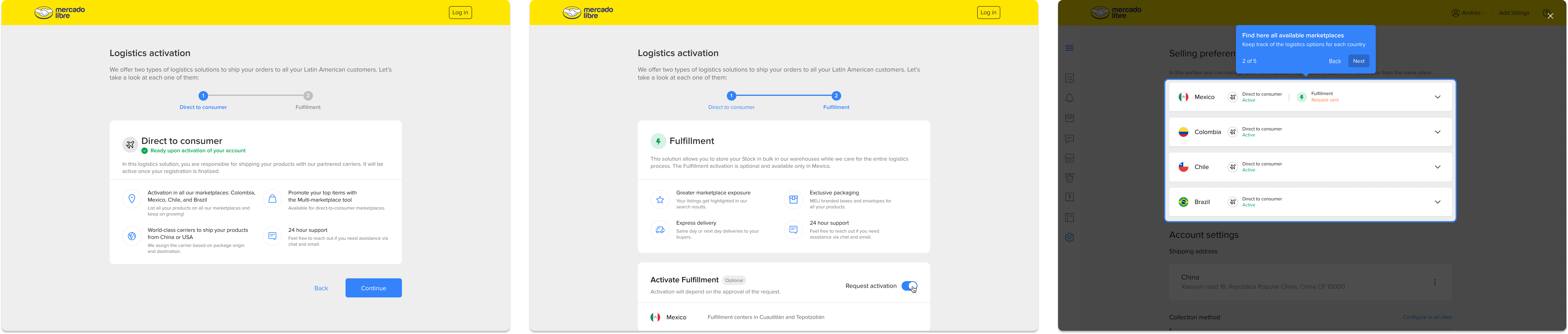
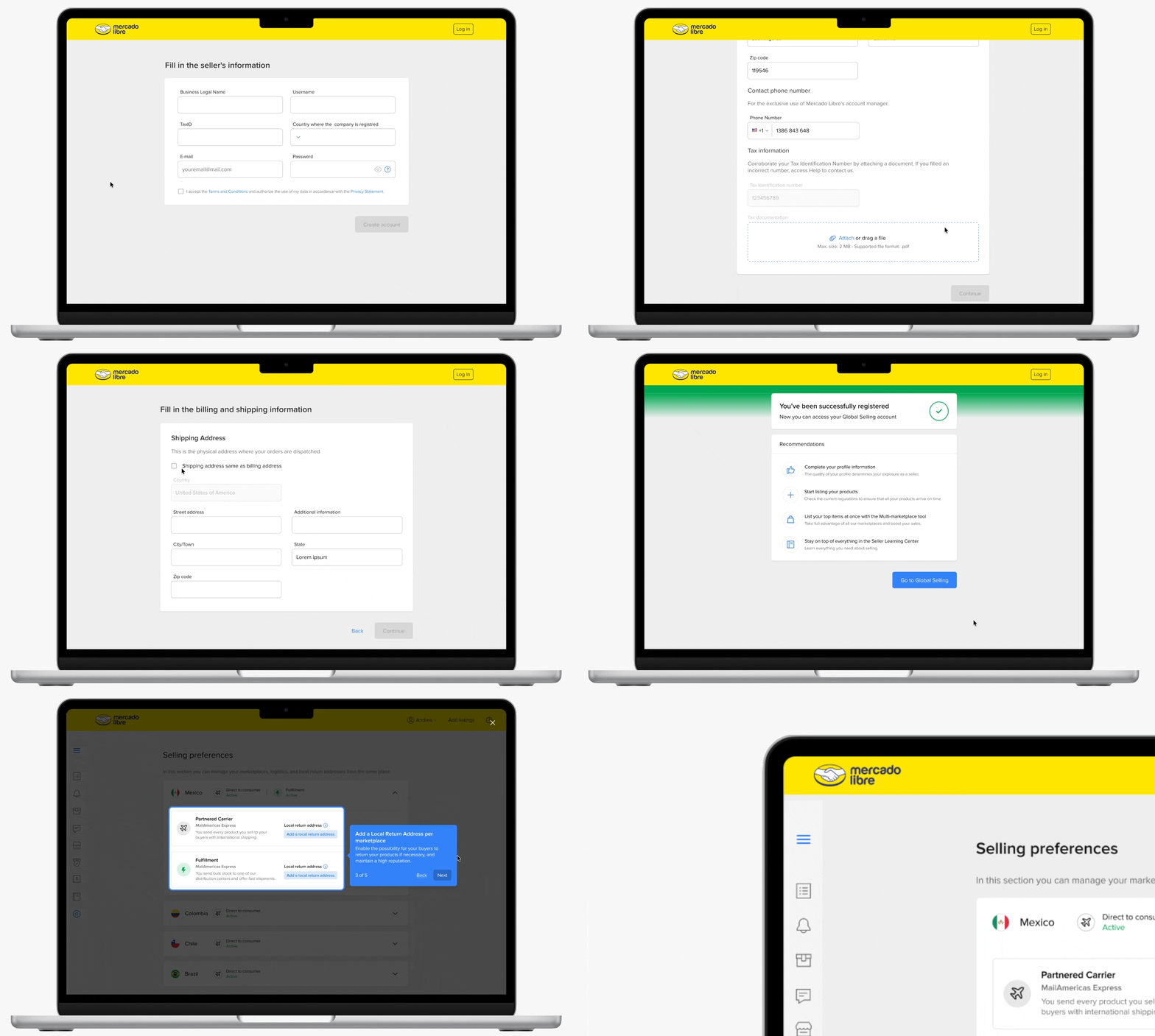
Process agility improved by 64% as a direct result of streamlining information requirements. By providing clearer guidance, we significantly reduced the time and effort required for new sellers to complete their registration.
We implemented a transparent overview of available logistics solutions, clearly outlining the benefits of each model and the specific activation criteria for Fulfillment. This clarity empowered sellers to make faster, more strategic operational decisions.
Logistics activation saw a remarkable 87% increase. This improvement not only streamlined the onboarding journey but also expanded the commercial potential for sellers, providing them with more tools to drive sales from day one.